


Most people know that smoking is bad for their lungs — but the full-body impact goes far beyond that. From the first inhale, cigarette smoke sets off a series of changes throughout your brain, blood, heart, and immune system. These effects happen fast, and they don’t just stop at your lungs. Here’s what really goes on inside, and why quitting is one of the most powerful decisions you can make for your health.
Affiliate Disclosure
Affiliate Disclosure: This post contains affiliate links. If you purchase through these links, we may earn a small commission at no additional cost to you. Thank you for supporting our blog!
Within 10 Seconds:
- Nicotine enters the bloodstream: Inhaled smoke delivers nicotine to the lungs, which quickly passes into the bloodstream.
- Nicotine reaches the brain: Within about 10 seconds, nicotine reaches the brain and binds to receptors, releasing dopamine — the brain’s reward chemical.
- The addiction begins: This feel-good surge teaches the brain to associate smoking with pleasure, forming the basis for physical and psychological dependence.
Within Minutes:
- Heart rate increases: Nicotine stimulates the release of adrenaline, causing your heart to beat faster.
- Blood pressure rises: Blood vessels constrict, making it harder for blood to flow and increasing overall blood pressure.
- Vessels tighten: Restricted blood flow increases cardiovascular strain.
- Impact on others: Secondhand smoke can harm those nearby, especially infants, children, and pets, who are more sensitive to airborne toxins.
Within Hours:
- Oxygen levels drop: Carbon monoxide from cigarette smoke binds to hemoglobin in red blood cells, displacing oxygen.
- Organ stress increases: Lower oxygen delivery impacts brain function, physical energy, and cellular repair.
- Cravings begin: As nicotine levels decrease, withdrawal symptoms like irritability, tension, and cravings may begin.
- Smell lingers: The odor of smoke starts to cling to your breath, skin, clothes, hair, and surroundings.
With Daily Use:
- Chronic lung inflammation: Smoke irritates the lining of the lungs, causing ongoing inflammation and mucus production.
- Cilia damage: Tiny hair-like structures in the airways (cilia) become damaged or die, reducing the lungs’ ability to clear out debris and pathogens.
- Weakened immunity: Your immune system becomes less responsive, making you more prone to respiratory infections and slower to heal.
- Reduced circulation: Blood flow becomes sluggish, causing cold hands and feet and increasing the risk of clotting issues.
- Oral health decline: Gum tissue weakens, increasing the risk of gingivitis, tooth decay, and eventual tooth loss.
- Diminished senses: Smoking can dull your sense of taste and smell over time.
- Lowered energy levels: Decreased oxygen and compromised lung capacity reduce overall physical endurance.
Over Time (Weeks to Years):
- Lung disease risk increases: Ongoing damage increases the likelihood of developing chronic obstructive pulmonary disease (COPD), bronchitis, and emphysema.
- Cancer risk rises: The toxic chemicals in cigarette smoke cause DNA mutations, contributing to multiple cancers — including lung, mouth, throat, bladder, pancreas, cervix, colon, rectum, esophagus, liver, and blood cancers.
- Heart health declines: Stiffened and narrowed arteries raise the risk of heart attacks and strokes significantly.
- Skin aging accelerates: Smoking decreases blood flow to the skin and breaks down collagen, causing premature wrinkles and discoloration.
- Reproductive harm: Smoking affects fertility by damaging sperm and eggs and increases the risk of complications during pregnancy.
- Increased risk of type 2 diabetes: Smokers are more likely to develop diabetes, and those with the condition often find it harder to control.
It Doesn’t Stop at the Lungs:
- Immune suppression: The immune system becomes less effective at identifying and destroying pathogens and cancer cells.
- Inflammation and autoimmune triggers: Smoking contributes to chronic inflammation and can worsen autoimmune conditions such as rheumatoid arthritis.
- Vision issues: Smoking increases the risk of cataracts and age-related macular degeneration.
- Widespread disease risk: Because harmful substances from cigarette smoke travel through the bloodstream, they can negatively impact nearly every organ in the body.
- Preventable death: If smoking were eliminated, approximately one in three cancer deaths in the U.S. could be avoided.
What About Secondhand Smoke?
- Heart disease: Regular exposure increases the risk of cardiovascular conditions.
- Lung cancer: Non-smokers living with smokers are more likely to develop lung cancer.
- Stroke risk: Secondhand smoke contributes to narrowed blood vessels and blood clot risks.
- Harm to children: Kids exposed to secondhand smoke are at greater risk of asthma attacks, ear infections, respiratory illnesses, and sudden infant death syndrome (SIDS).
- Pregnancy complications: Pregnant women exposed to secondhand smoke are more likely to deliver prematurely or have babies with low birth weight.
The Good News: Your Body Starts Healing Fast
- 20 minutes: Your blood pressure and pulse begin to return to normal.
- 8 hours: Carbon monoxide levels drop, and oxygen levels improve.
- 24 hours: Your risk of heart attack begins to decrease as the body starts clearing out carbon monoxide.
- 1 year: Your risk of coronary heart disease is roughly half that of a smoker.
- 5 to 10 years: Stroke risk drops, and the likelihood of developing certain cancers is significantly reduced.
- Other benefits: Energy levels rise, senses of taste and smell return, and your skin begins to regain elasticity and color.
Holistic Support for Quitting Smoking
Quitting smoking is a journey, and while medical resources are valuable, many people find success when they take a more holistic approach. Supporting your body, mind, and environment can make the transition smoother and reduce withdrawal symptoms naturally.
- Nutrient support: Focus on whole, nutrient-dense foods that help rebalance your body. Leafy greens, healthy fats, and foods high in antioxidants can support detox pathways.
- Hydration: Flush out toxins by drinking plenty of clean, filtered water each day.
- Movement: Gentle movement like walking, stretching, or yoga can reduce cravings, improve lung capacity, and lower stress.
- Deep breathing & mindfulness: Breathwork and meditation can help reset your nervous system and manage irritability or anxiety during withdrawal.
- Herbal support: Some herbs like lobelia, passionflower, and oat straw have been traditionally used to help reduce cravings or calm the nervous system. You can also try organic mullein leaf tea to help support and soothe your lungs while they heal. Consult a trusted herbalist or holistic provider before starting any new herbs.
- Environmental detox: Remove triggers and smoking-related items from your home and car. Diffusing essential oils like organic peppermint oil or citrus can help curb cravings and refresh your space.
Holistic tools won’t do the work for you — but they can support your body as it lets go of dependence and begins to heal.
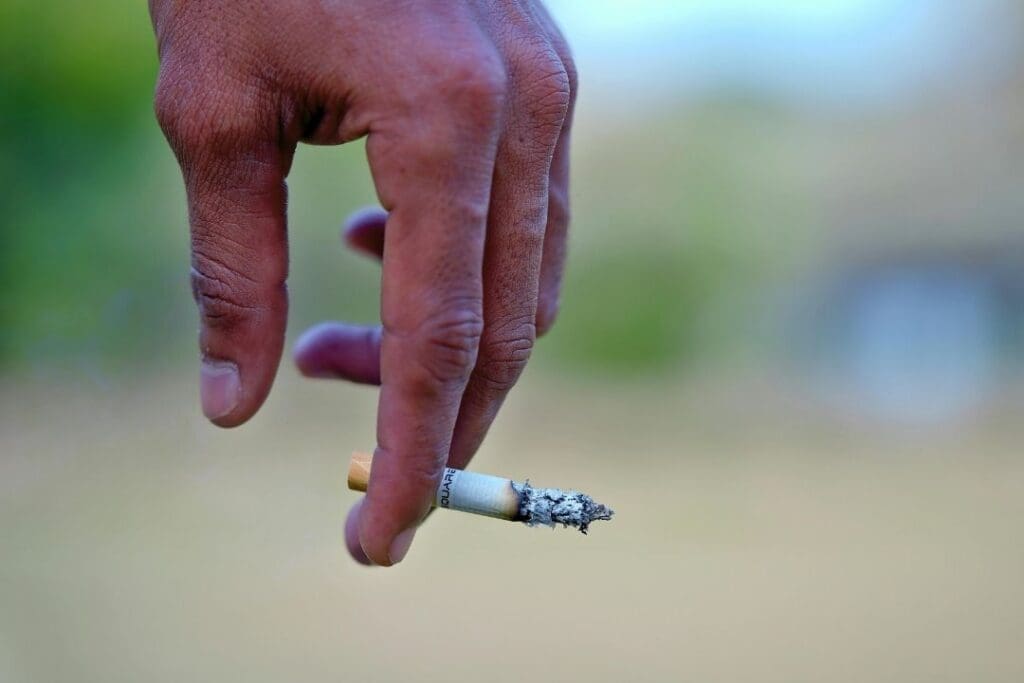
You’re Not Weak — Nicotine Is Designed to Hook You
Nicotine is a highly addictive chemical. Cigarettes are intentionally designed to deliver it rapidly to the brain, making it extremely difficult to quit once dependence forms. Cravings, irritability, anxiety, and withdrawal symptoms are not signs of personal failure — they’re symptoms of a chemical addiction. But quitting is possible, and millions of people have done it with the right support.
Free resources to support your quit journey:
- Call 1-800-QUIT-NOW
- Visit smokefree.gov
- Talk to your doctor or health practitioner about support programs that align with your goals — including behavioral therapy or community-based approaches
Keep learning. Keep questioning. Keep healing.