

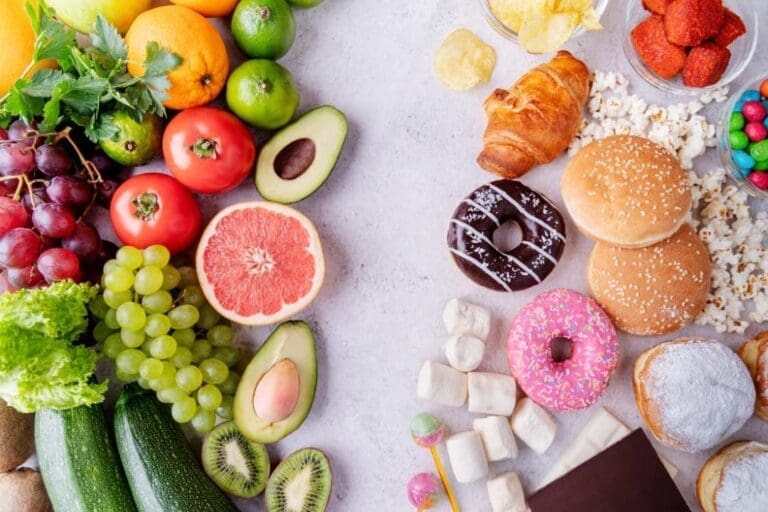
Food marketing can be sneaky. Even items labeled as “natural” or “healthy” might be hiding harmful additives. That’s why learning to decode ingredient labels is so important—it empowers you to make confident choices for your health and your family. This guide breaks down what to watch out for, common red flags, and tips for shopping smarter.
Affiliate Disclosure
Affiliate Disclosure: This post contains affiliate links. If you purchase through these links, we may earn a small commission at no additional cost to you. Thank you for supporting our blog!
Start With the Ingredients List
- Shorter is better: The fewer ingredients, the better. When you see a short list filled with real, recognizable words like “almonds,” “sea salt,” or “chicken,” you’re likely on the right track. Products with long, chemical-sounding ingredients are often more processed.
- Watch the order: Ingredients are listed in descending order by weight. That means whatever is listed first makes up the largest part of the product. If sugar or inflammatory oils like soybean or canola are near the top, it’s best to skip that item — even if it claims to be “natural” or “healthy.”
Know the Common Red Flags
- Artificial sweeteners: Look out for sucralose, aspartame, saccharin, and acesulfame potassium. These are often found in “sugar-free” or “diet” products and can disrupt gut health and metabolism. Some studies also raise concerns about long-term effects on insulin response and cravings.
- Artificial colors: Artificial colors: These synthetic dyes are often added to make food look more appealing, but they come with risks. Watch out for Red 40, Red 3, Yellow 5, Yellow 6, Blue 1, Blue 2, Green 3 — all linked to hyperactivity in children, allergic reactions, and potential cancer risks. Many are banned or restricted in other countries but still commonly used in the U.S.
- Preservatives: BHA, BHT, sodium benzoate, and potassium sorbate are used to extend shelf life, but some are linked to hormone disruption, hyperactivity, and potential cancer risk, especially when consumed regularly.
- MSG and hidden forms: MSG may be listed as monosodium glutamate, autolyzed yeast, hydrolyzed protein, or even “natural flavors.” It can cause headaches, dizziness, and overstimulate taste receptors, making unhealthy food more addictive.
- Inflammatory oils: Soybean oil, canola oil, sunflower oil, cottonseed oil, corn oil, safflower oil, grapeseed oil, rice bran oil, and vegetable oil blends are often highly refined and oxidized, increasing systemic inflammation and contribute to heart disease and metabolic issues.
- Natural flavors: Sounds safe, but this vague term can include hundreds of hidden chemicals derived from unknown sources. It’s a loophole that allows companies to hide what’s really in your food.
- Artificial flavors: These lab-created additives mimic real flavors but may contain petroleum-derived solvents and chemical additives. Long-term exposure is linked to allergic reactions and unknown cumulative health effects.
Sneaky Sugars to Look Out For
Sugar hides behind many names. Some common ones:
- Dextrose
- Maltodextrin
- Cane juice
- Corn syrup (and high-fructose corn syrup)
- Glucose
- Fructose
- Sucrose
- Evaporated cane syrup
- Brown rice syrup
- Agave nectar
- Barley malt
- Fruit juice concentrate
- Turbinado
- Invert sugar
- Beet sugar
- Coconut sugar
- Honey powder
- Carob syrup
Tips for Smarter Shopping
- Shop the perimeter: Most real, whole foods are found around the edges of the store — like fresh produce, meat, seafood, eggs, and dairy. These items are less processed and often don’t require ingredient labels at all.
- Buy fewer boxed items: The more processed a food is, the more likely it contains additives like dyes, preservatives, sugars, and inflammatory oils. Try to stick to items with simple ingredient lists and minimal packaging.
- Read before you trust: Health food stores can still carry products with poor ingredients. Just because something says “non-GMO,” “organic,” or “gluten-free” doesn’t mean it’s free from artificial colors, preservatives, or inflammatory oils. Always read the full ingredient label.
Better-for-You Snack Swaps
Looking for packaged snacks without artificial dyes or seed oils? Check out our Dye-Free and Seed Oil-Free Snack List on Amazon — a curated list of better options for on-the-go or lunchbox-friendly eats.
While some of these snacks may still contain other less-than-ideal ingredients, we’ve done our best to choose the cleanest options available. Always read labels to make the best choice for your needs.
Related Posts You Might Like
If you’d like to learn more about ingredients and nutrition, check out these blog posts:
- 7 Surprising Ingredients Hiding in Your Pantry That Could Be Affecting Your Health
- The Hidden Dangers of Vegetable and Seed Oils
- Teaching Kids About Food Labels and Nutrition

Empower Yourself
Every time you read a label, you build awareness. You don’t need to be perfect — just intentional. Choose products with simple, real ingredients and know what to avoid.
The more you practice, the faster and easier it becomes.
Keep learning. Keep questioning. Keep healing.