

The Best Chicken Salad Recipe with Cranberries

The best chicken salad recipe made with seasoned chicken, scallions, celery, cranberries, and homemade seed oil-free mayonnaise. Perfect for meal prep, sandwiches, and wraps.
The Best Seed Oil-Free Mayonnaise

Seed oil-free mayonnaise made with avocado oil, simple ingredients, and no highly processed seed oils. Ready in just minutes for sandwiches, salads, and dressings.
How to Avoid Harmful Ingredients: A Beginner’s Guide to Decoding Food Labels
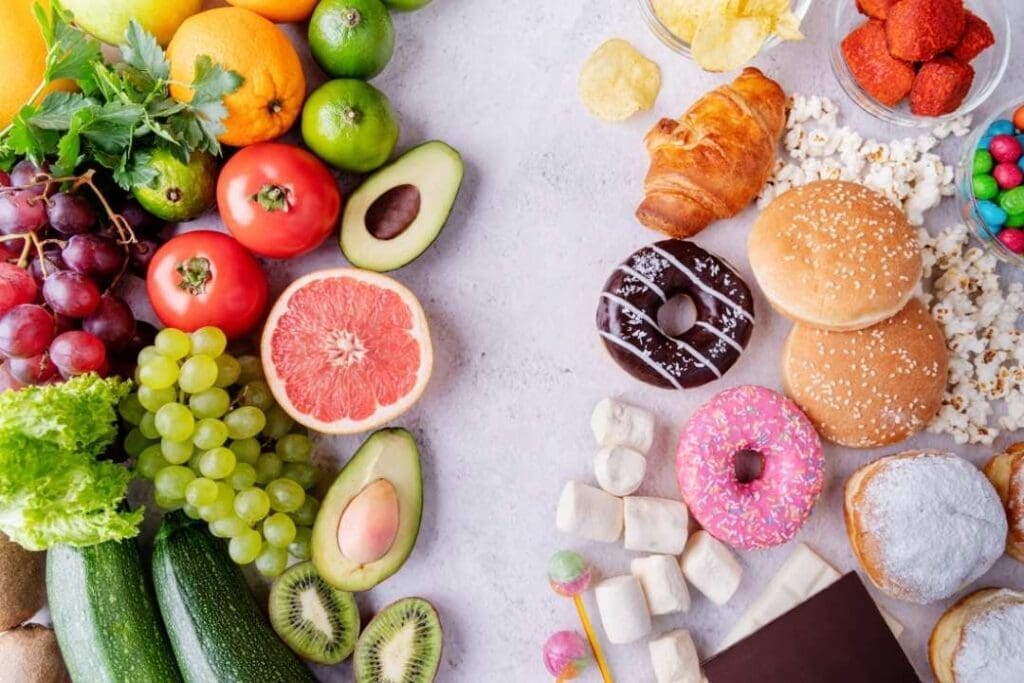
Reading labels isn’t about being perfect — it’s about being informed. With so many misleading claims on packaging, it’s easy to feel overwhelmed. But once you know what to look for, it gets easier to spot the red flags and make better choices.
The Real Impact of a Single Cigarette: What Happens in Your Body, Minute by Minute

We all know smoking is harmful, but what’s often overlooked is just how quickly and deeply it affects nearly every part of your body. Even a single puff starts a chain reaction — and the effects build with every cigarette. This post breaks down the timeline and long-term health risks, including what happens within seconds and over the years.
Ditch Store-Bought: Try These Homemade Sourdough Tortillas

Ditch the store-bought tortillas filled with preservatives and seed oils—these homemade sourdough tortillas are soft, flavorful, and made with just a few simple ingredients. Whether you’re using active starter or discard, they’re a clean-eating staple you’ll want to keep on repeat.
From PMS to Period Power: A Real Food Approach to Your Cycle

Feeling like a different person each week? You’re not crazy—you’re just cycling. Our hormones shift throughout the month, and the way we eat can either support those shifts or make everything feel harder. Here’s how to work with your body (not against it), using real food.
Before You Fill That Basket… Read This Dye-Free Easter Snack List

Skip the artificial dyes this Easter with snacks and baking ingredients that are fun, festive, and better for your body. This list includes dye-free options for chocolate, chips, and more—plus colorful baking alternatives that don’t rely on synthetic food coloring.
Fat Doesn’t Make You Fat: The Truth About Dietary Fat & Weight Gain

For years, dietary fat was unfairly blamed for weight gain and heart disease, leading to the rise of low-fat diets and processed foods. However, modern research reveals a different truth: fat is not the enemy. In fact, the removal of fat from diets has contributed to metabolic dysfunction, nutrient deficiencies, and an increase in processed food consumption. Understanding how fat fuels the body shows that it plays a vital role in energy production, hormone balance, and overall health. The real culprit behind weight gain lies elsewhere.
Your Baby, Your Choice: A Guide to Routine Newborn Procedures

When your baby is born, hospitals perform a series of routine medical procedures, often without much discussion. While some of these interventions are essential for newborn health, others may not be as necessary as they seem. As parents, it’s important to understand what each procedure involves, why it’s done, and what alternatives exist so you can make informed decisions. This guide breaks down common newborn procedures—like the Vitamin K shot, circumcision, delayed cord clamping, and more—to help you confidently choose what’s best for your baby.
The Best Fresh Bruschetta – Simple, Flavorful, and Nutrient-Dense

This **fresh Roma tomato bruschetta** is light, vibrant, and packed with flavor. With just a handful of real food ingredients, it’s the perfect way to enjoy peak-season tomatoes. Whether served on toasted sourdough, over grilled meats, or as a topping for salads, this simple yet nutrient-dense recipe is a must-try. Plus, we’re sharing a few of our favorite ways to take it to the next level—like a creamy Boursin and honey spread or a sprinkle of freshly grated Parmesan.
Is Your Cookware Really Non-Toxic? What You Need to Know Before You Buy
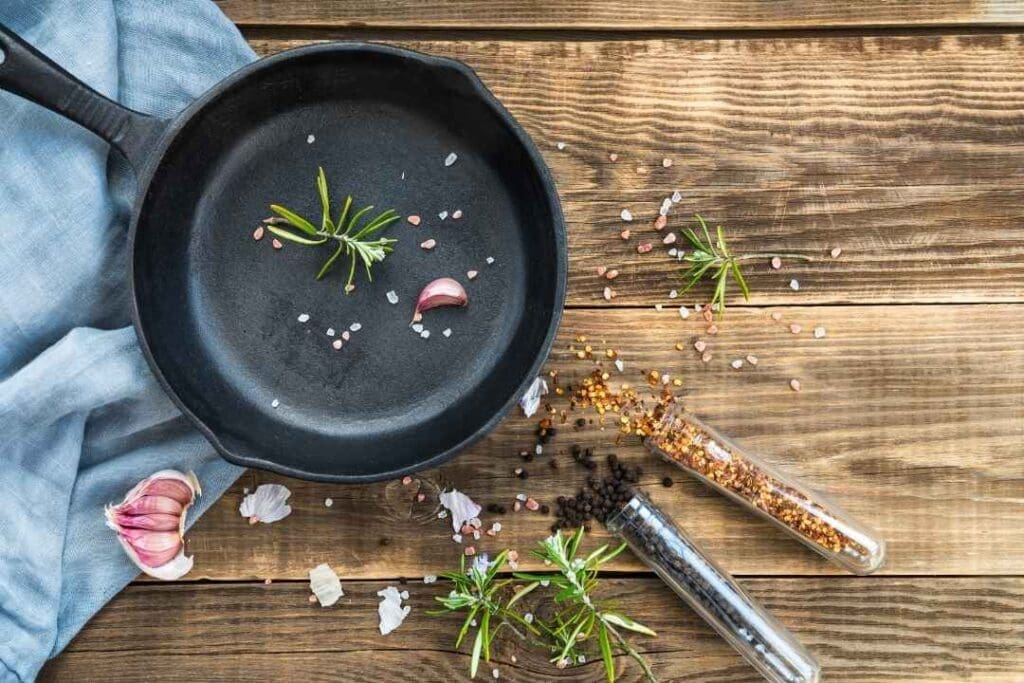
Many cookware brands claim to be “non-toxic,” but how safe are they really? While labels like “PFOA-free” and “eco-friendly” may sound reassuring, many popular cookware materials still contain harmful chemicals that can leach into your food. From nonstick coatings that degrade at high temperatures to ceramic cookware that may contain lead, it’s important to know which materials are truly safe for daily cooking. Let’s dive into the best non-toxic cookware options, what to avoid, and how to create a safer kitchen.
Mouth Breathing vs. Nose Breathing: Why It Matters More Than You Think

Most people don’t think twice about how they breathe, but it turns out that mouth breathing can have serious consequences for your health. From sleep disturbances and fatigue to an increased risk of respiratory issues, relying on mouth breathing instead of nasal breathing can take a toll over time. The good news? With a few simple adjustments, you can retrain your body to breathe properly and experience noticeable improvements in your energy, focus, and overall well-being.